
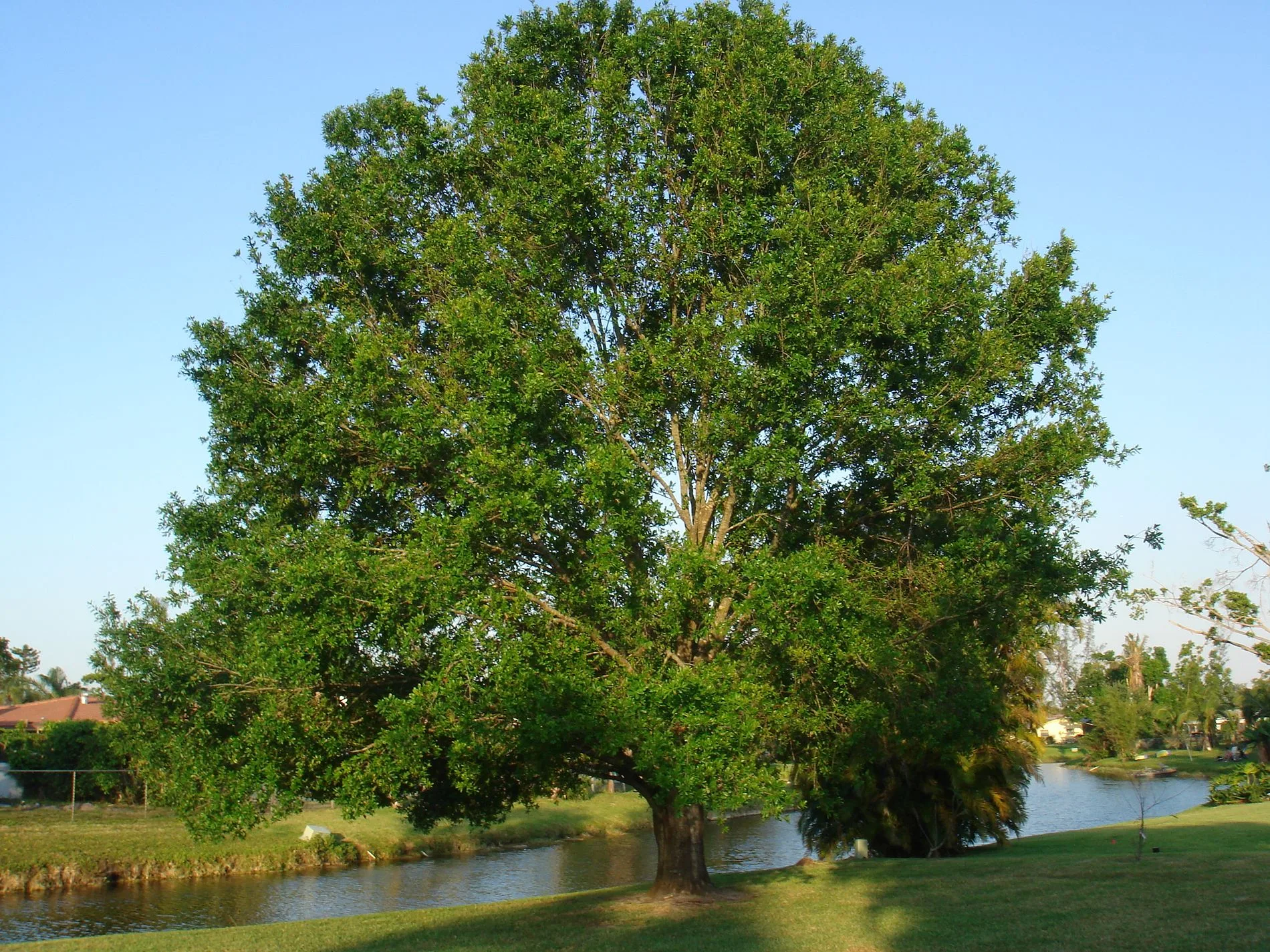
Coral Springs lawns just came through the hottest summer on record at the nearby Fort Lauderdale airport and a drought that reached level two, Severe, on the U.S. Drought Monitor. To keep your yard cool through the dry season, mow St. Augustine at 3.5 to 4 inches, water only on your city days before 10 a.m. or after 4 p.m., mulch beds two to three inches deep, and protect the shade you have.
- Summer average at the Fort Lauderdale airport, the hottest there since records began in 1913
- 85.3°FSummer average at the Fort Lauderdale airport, the hottest there since records began in 1913
- Days Broward, Coral Springs included, spent under a heat advisory this summer
- 37Days Broward, Coral Springs included, spent under a heat advisory this summer
- How far below normal summer rain fell at the airport
- 11.33 inHow far below normal summer rain fell at the airport
- Severe drought, level two, covered about 92% of Broward by late August
- D2Severe drought, level two, covered about 92% of Broward by late August
What This Summer Did to Coral Springs
We've been taking care of lawns in Broward since 2011, and Coral Springs is on our weekly route, a few minutes from our office on West Sample Road. Every summer is hot here. This one was different, and you could see it on the lawns long before anyone published the numbers.
Coral Springs doesn't have an official National Weather Service station of its own, so the long-term record we lean on is the one kept at Fort Lauderdale/Hollywood International Airport, about 15 miles to the southeast. The airport averaged 85.3°F from June through August, 1.9 degrees above normal and the hottest summer there since records began in 1913. It hit 90°F or higher on 78 days, when 49 is normal.
The heat wasn't just an airport story. Heat advisories cover the whole county, and Broward, Coral Springs included, spent 37 days under one this summer. On August 18 the airport reached 98°F, and the next day the county was put under an Excessive Heat Warning.
Then there was the rain, or the lack of it. Summer is usually when South Florida lawns get a break, with an afternoon storm most days. This year the airport gauge caught 11.52 inches all summer, 11.33 inches below normal and the eighth-driest summer on its record. The drought that normally breaks in June hung on all season.
What “Level Two” Means: Severe Drought in Broward
When people talk about a level two drought, they usually mean the U.S. Drought Monitor, the national drought map updated every week. It has four drought levels: D1 Moderate, D2 Severe, D3 Extreme and D4 Exceptional. A fifth label, D0, marks ground that's abnormally dry but not yet in drought. Level two is where the Drought Monitor starts to expect water shortages and water restrictions, along with crop and pasture losses.
By late August, every part of Broward was in drought. About 92% of the county was at level two or worse, and about 27% had reached level three, Extreme. September rain and the last weeks of the rainy season pulled most of that back. On the October 27 map, about 23% of Broward is still in drought, about 7% is still Severe, and about 61% is at least abnormally dry.
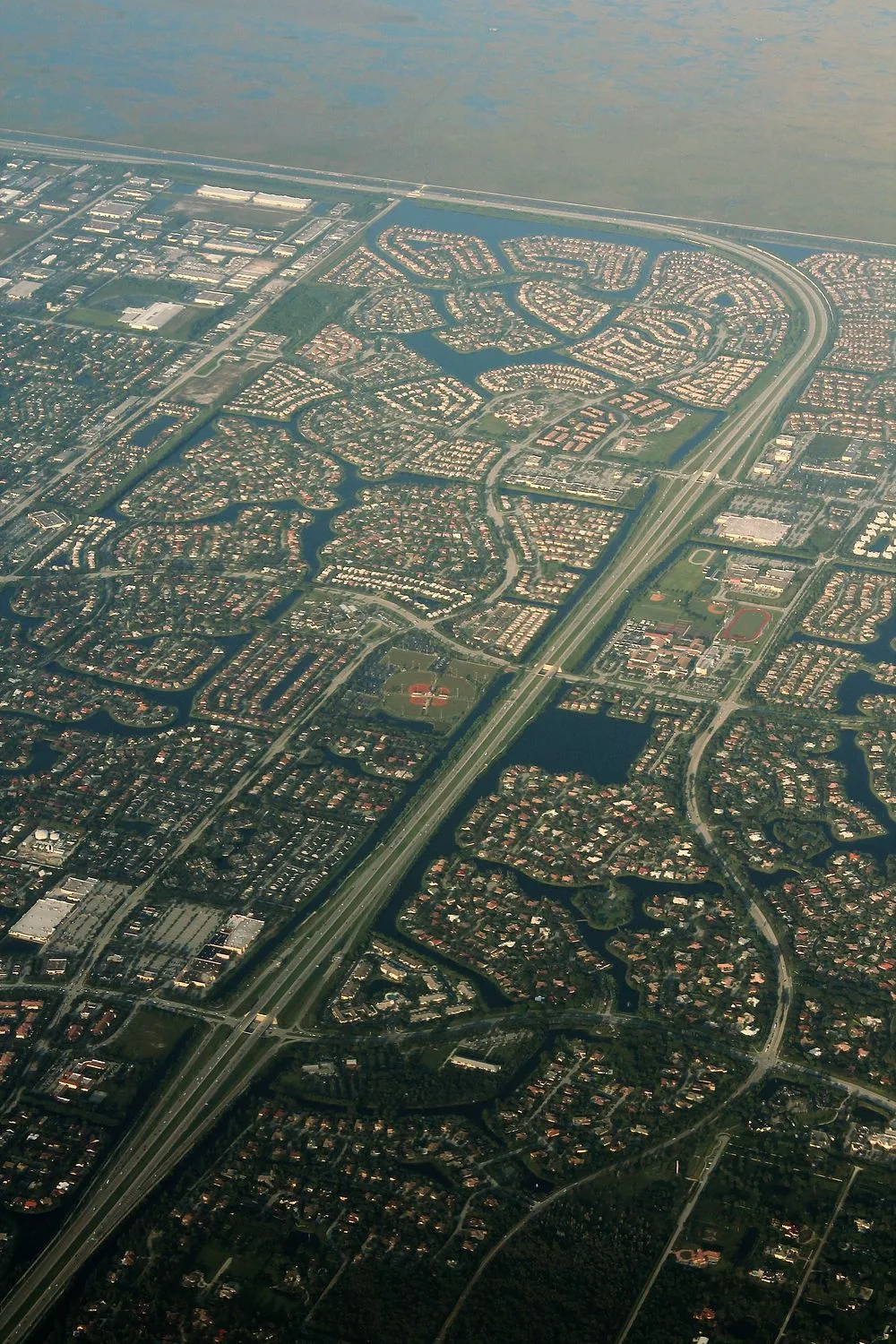

For your yard, the date to remember is October 15. That's when South Florida's rainy season officially ended, and the dry season now runs into May. From here on, most of the water your lawn gets is water you give it, on the days the city allows. A lawn that went into October stressed is heading into the driest months of the year with nothing in reserve.
Why Keeping a Property Cool Matters
A cool yard isn't just about curb appeal. Healthy grass cools itself, and the air just above it, by pulling water up through its blades. When it browns out, that cooling stops, and the ground starts soaking up heat the way a driveway does.
- People and pets. Bare soil, pavers, rock and artificial turf in full sun hold heat well into the evening, which is exactly when most families are out in the yard.
- The house. Shade and planting on the west and south sides keep the harshest afternoon sun off the walls and windows that take the most heat.
- The lawn itself. Heat-stressed St. Augustine thins out, and weeds fill the gaps. Hot, dry, sunny spots are also where chinch bugs, the grass's worst insect pest, do the most damage.
- The neighborhood. Many Coral Springs neighborhoods have a homeowners association with its own standards, and a burnt lawn is the one everybody notices from the street.
Know Your Watering Days in Coral Springs
Coral Springs limits lawn watering to two days a week all year long, not just during a drought:
- Odd-numbered addresses: Wednesday and/or Saturday.
- Even-numbered addresses: Thursday and/or Sunday.
- Only before 10 a.m. or after 4 p.m. Skip the middle of the day. Much of what you spray then evaporates before it ever reaches the roots.
The city suggests about 20 minutes per zone, which puts down roughly half to three-quarters of an inch. Hand watering is different. Under the South Florida Water Management District rules, you can water by hand on any day with a hose fitted with a self-cancelling nozzle, the kind that shuts off when you let go. That's how you rescue a struggling bed or a new plant between watering days. If your water comes from an improvement district instead of the city, check the schedule on your bill, or call the city at 954-344-1000. Florida law also requires automatic sprinklers to have a working rain sensor, so the system skips a cycle after a real storm instead of watering wet ground.
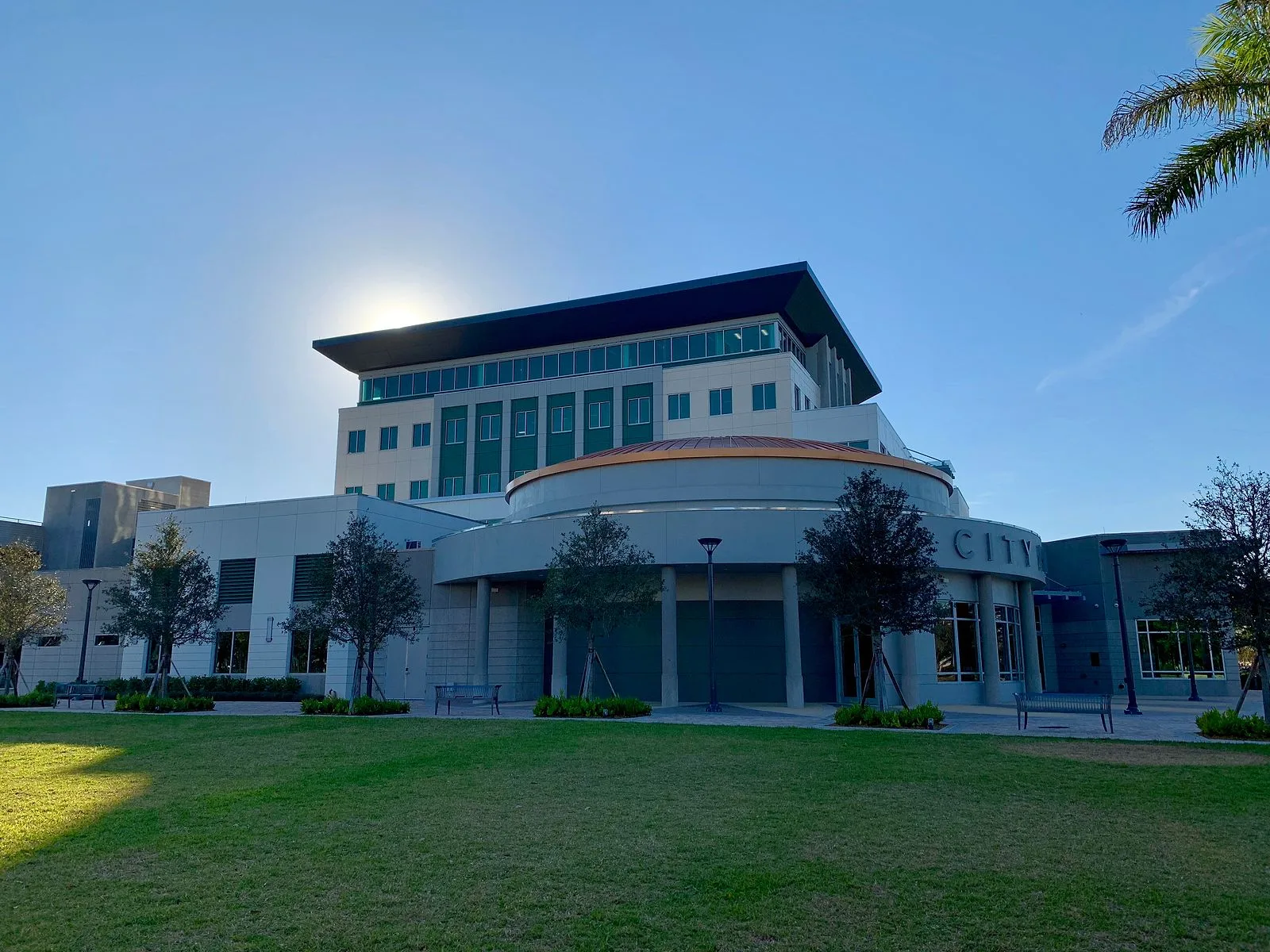

One note from us: Montenegro does not do irrigation work. If your sprinklers are watering the street or missing a corner of the yard, a licensed irrigation contractor can fix the heads and the controller. The city also offers rebates to homeowners who upgrade to an efficient, weather-based system.
Signs Your Lawn Needs Water, and Signs It Doesn't
St. Augustine will tell you when it's thirsty. The blades fold in half lengthwise, the color goes a dull blue-gray, and your footprints stay pressed into the grass after you walk across it. When a third to half of the lawn looks like that, water on your next allowed day. That beats a timer that runs whether it rained or not.
Yellow or straw-colored patches in the sunniest part of the yard that don't green up after watering are a different problem, and that pattern often points to chinch bugs. Montenegro does not apply pesticides or fertilizer, so for that, call a licensed lawn care applicator who can confirm the cause and treat it.
And brown doesn't always mean dead. UF/IFAS notes that warm-season grasses like St. Augustine can ride out long dry spells by going dormant. Before you tear anything out, give a brown patch a gentle tug. If it holds firm at the roots, it will often come back once it's watered on its regular days. If it pulls right up with no roots attached, it's probably gone, and that spot is a candidate for new sod.
How We Keep Coral Springs Properties Cool
Here's what our crews do through the hot, dry months. It's the same advice we'd give a neighbor who takes care of their own yard.
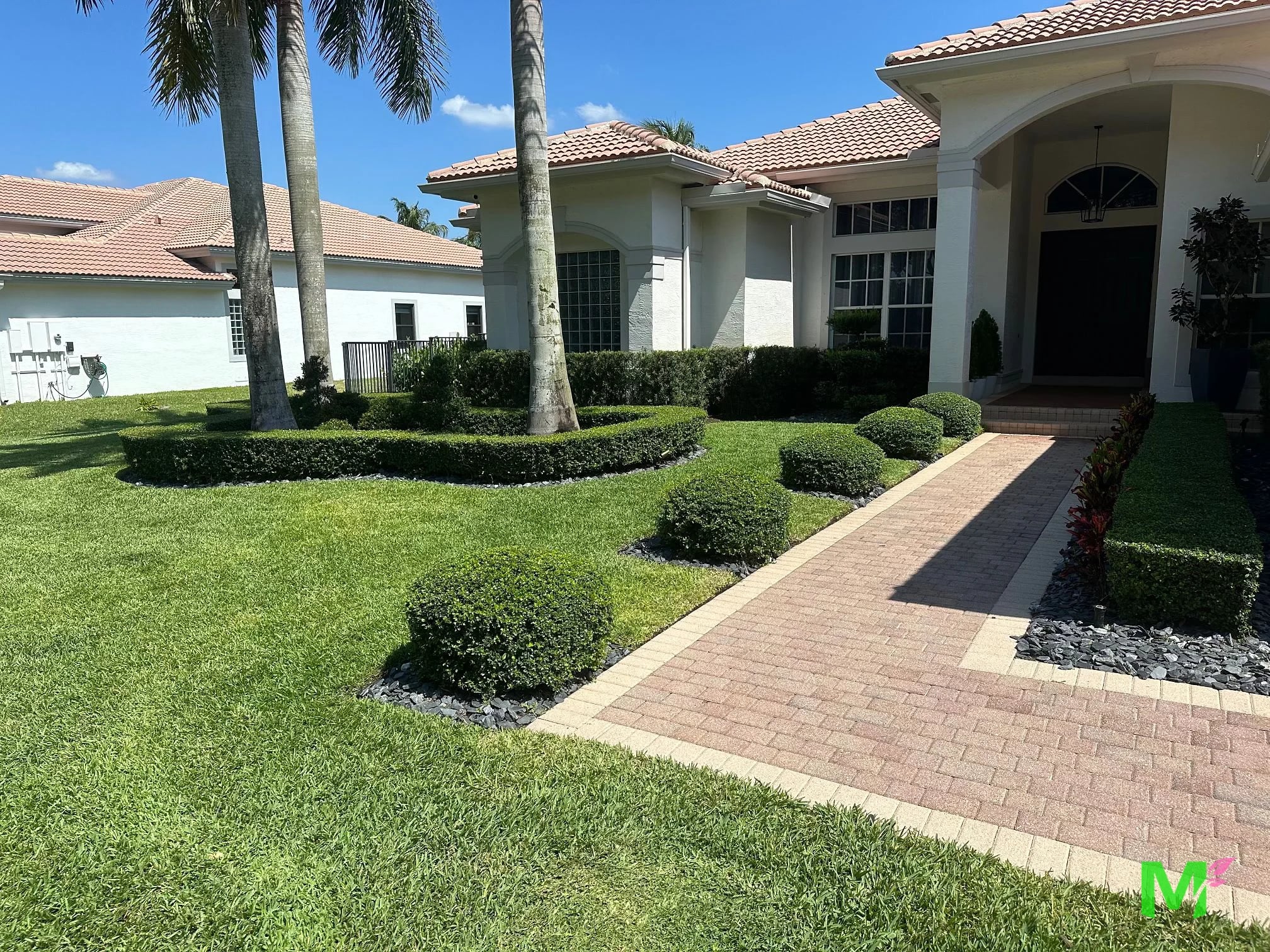
- Mow high. We keep standard St. Augustine at 3.5 to 4 inches, the height UF/IFAS recommends. Taller blades shade the soil and push the roots deeper.
- Never take more than a third. Cutting off more than a third of the blade at once shocks grass that's already stressed.
- Keep the blades sharp. A dull blade tears the tip instead of slicing it, and the ragged edge browns and loses more water.
- Mulch the beds. Two to three inches of mulch keeps roots cooler, holds moisture between watering days and keeps weeds down. Just keep it pulled back from trunks and stems.
- Trim hedges with the heat in mind. Light, regular trims keep a hedge full. Cutting hard into old wood at the peak of summer exposes inner leaves to sun they aren't used to.
- Protect the shade you have. A big oak or a cluster of palms on the west side of the house is doing real work. We maintain palms; trees go to a licensed tree service.
- Pick the right surface for the spot. Artificial turf, which we install, needs no water and works well in shady corners where grass won't grow, or in spots with heavy foot traffic. In full afternoon sun it gets hot, just like rock beds do, so plan some shade near the places people use.
- Replace dead patches at the right time. New sod gets its own watering allowance under the district rules while it takes root. Check the details with your city before you lay it, and plan on hand watering through the dry season.
Sources
- National Weather Service Miami: Summer 2026 Weather Summary
- U.S. Drought Monitor: Broward County statistics
- City of Coral Springs: Water Restrictions and Rebates
- South Florida Water Management District: Landscape Watering Restrictions
- UF/IFAS Extension: St. Augustinegrass for Florida Lawns
- UF/IFAS Florida-Friendly Landscaping: Improving lawn drought tolerance
Cover photo: Legionarius, CC BY 2.5
