
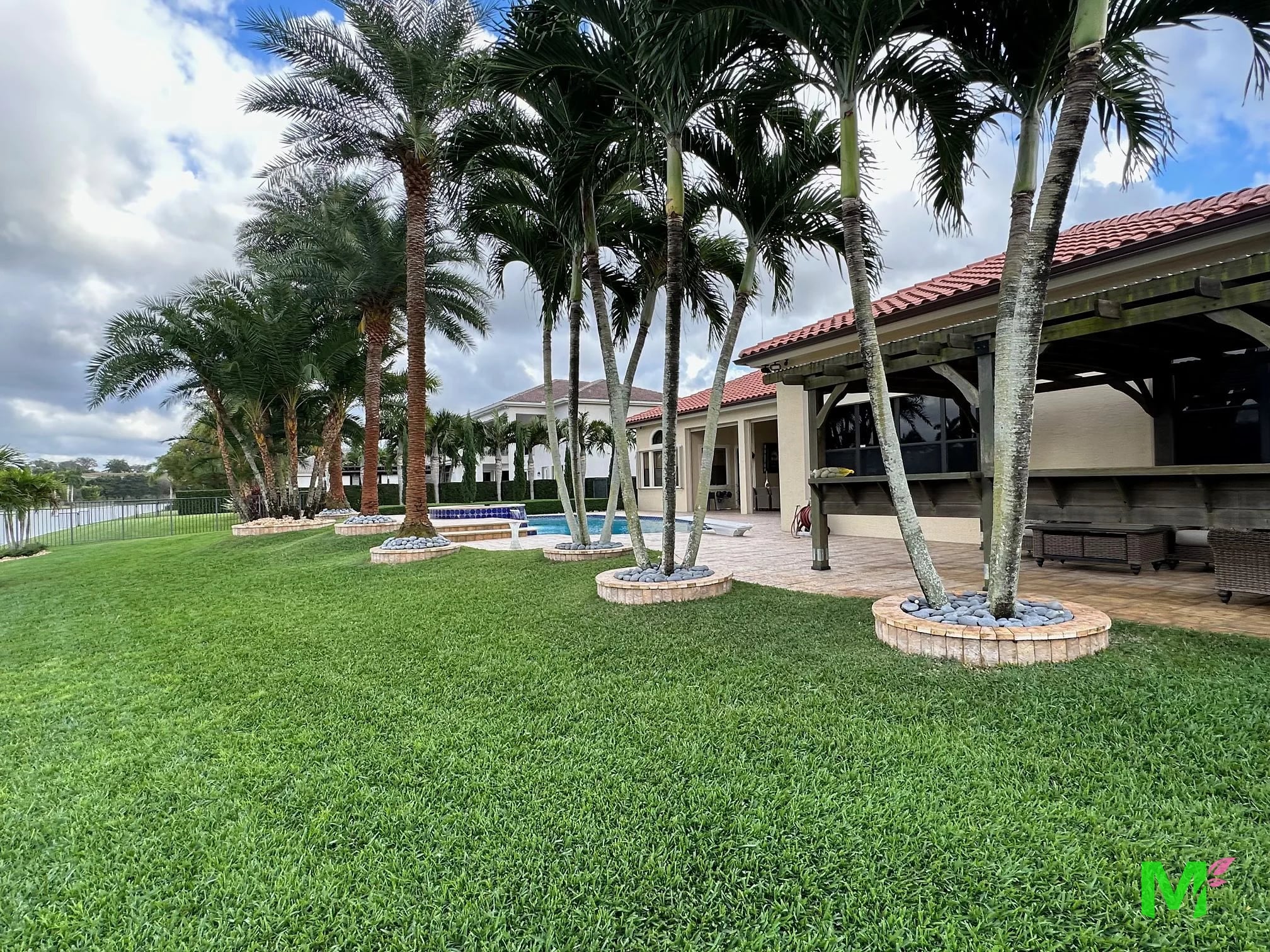
Landscape Design in Southwest Ranches.
On multi-acre lots, design goes where it shows: the drive, the entry and the ground around the house, framed against mature oak and palm canopy. The pasture and perimeter stay practical; the residence gets the finish.
- 5.0 on Google
- Family owned since 2011
- Licensed and insured
Four quick taps. Free estimate, no obligation.
Recent Design Work
Every photo is a Montenegro project.
Front and backyard ideas, explained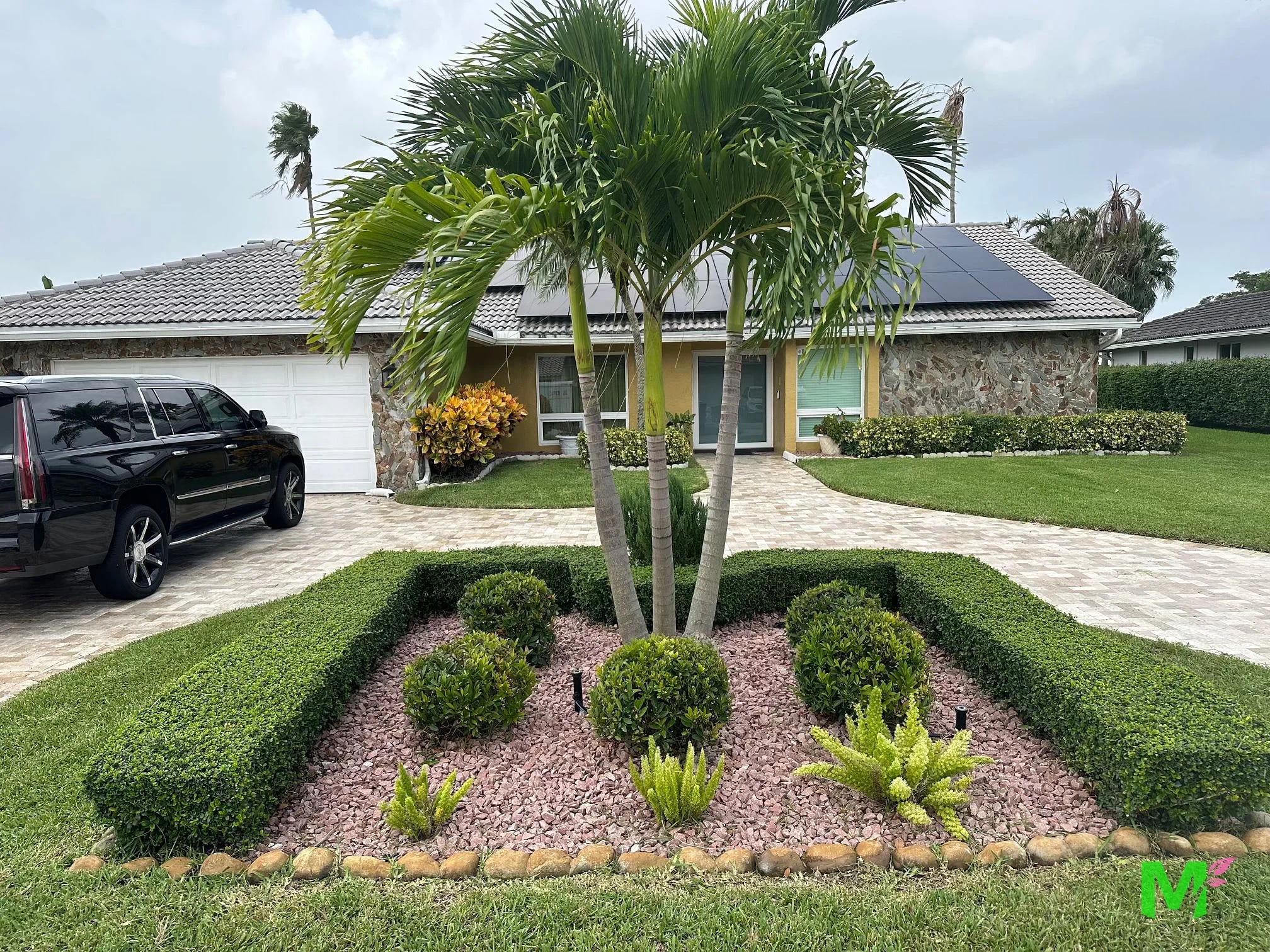 Palm and Rock Bed
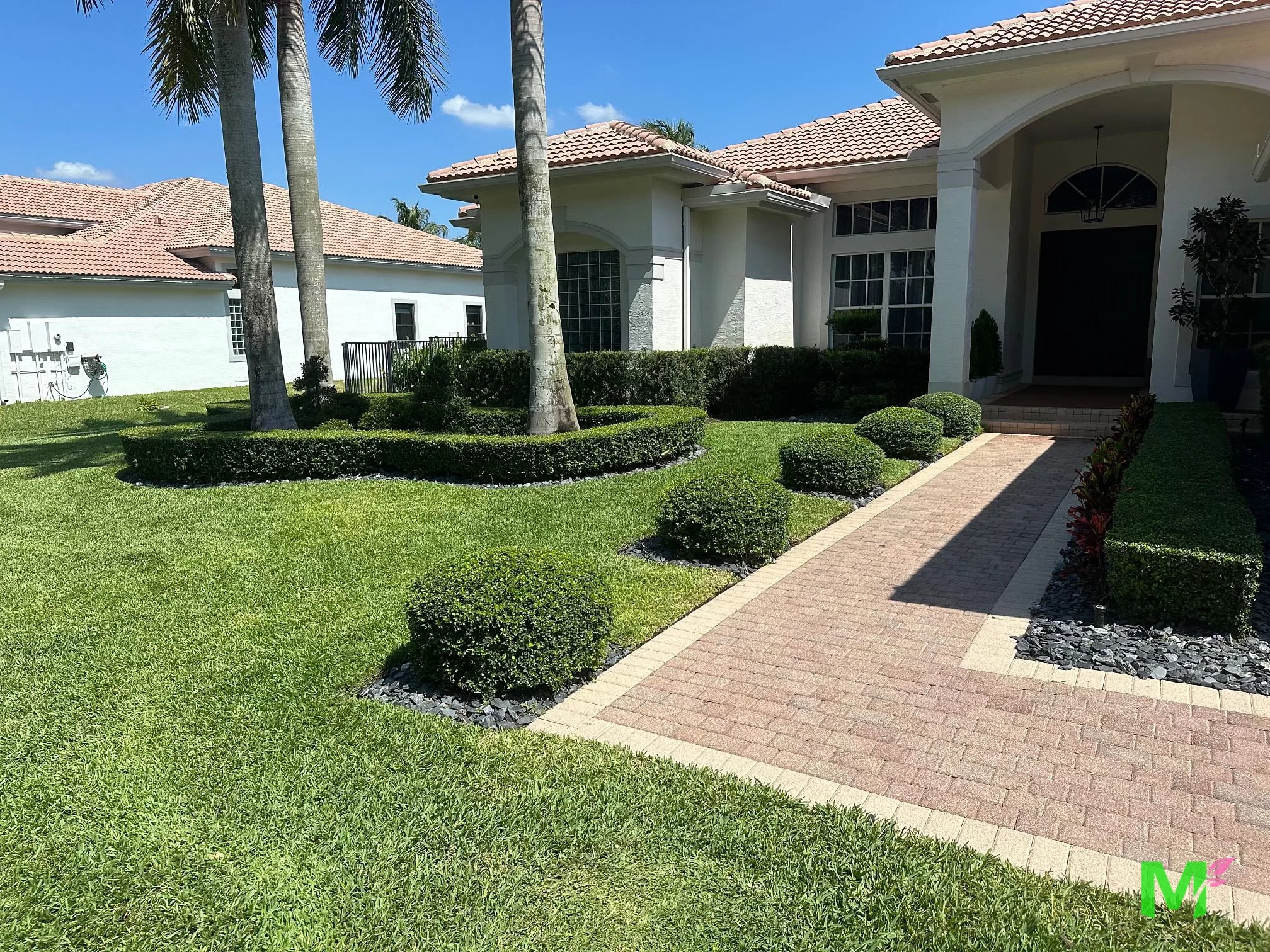 Paver Walk & Sculpted Hedges
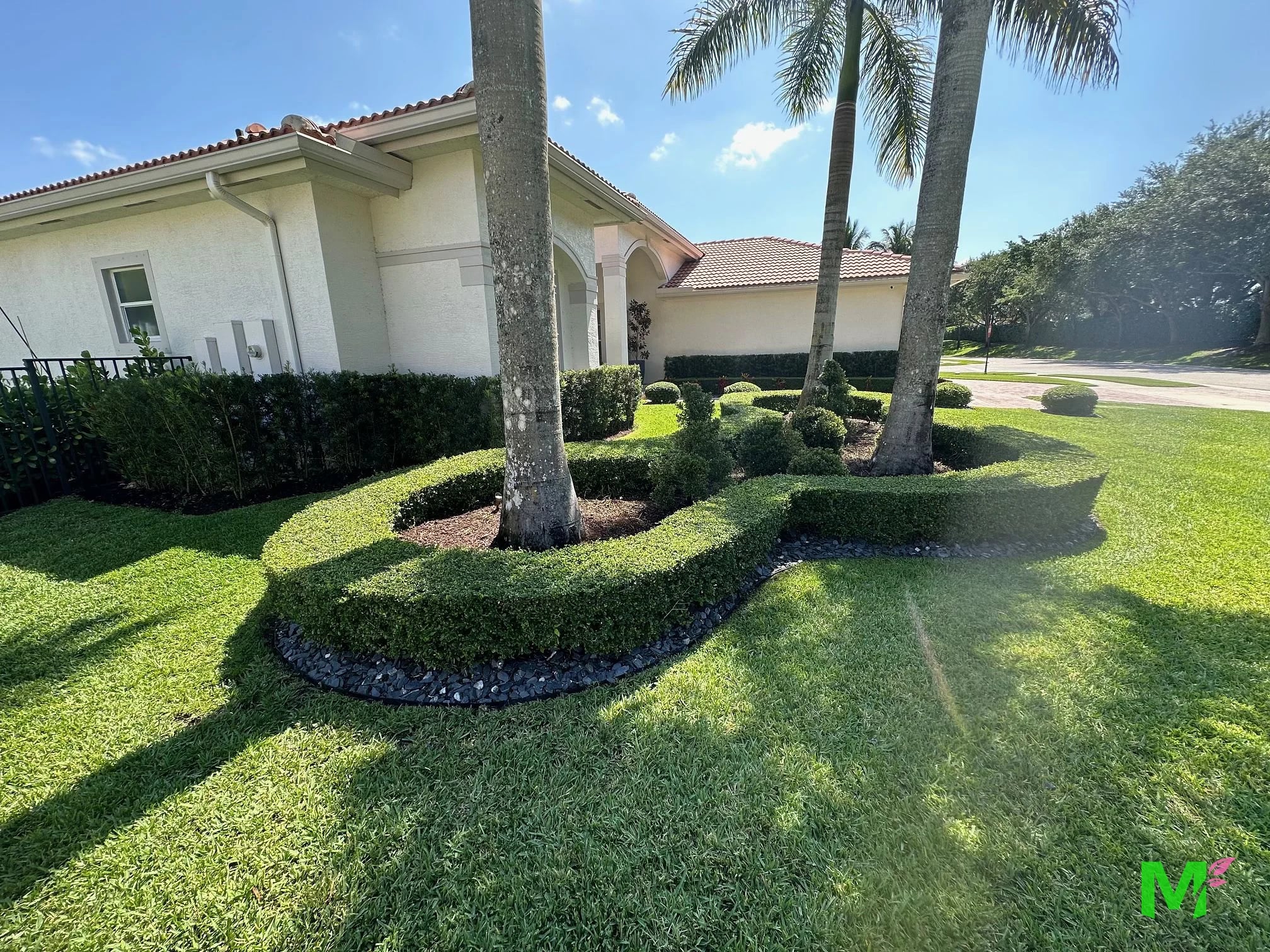 Hedge Ring Around Palms
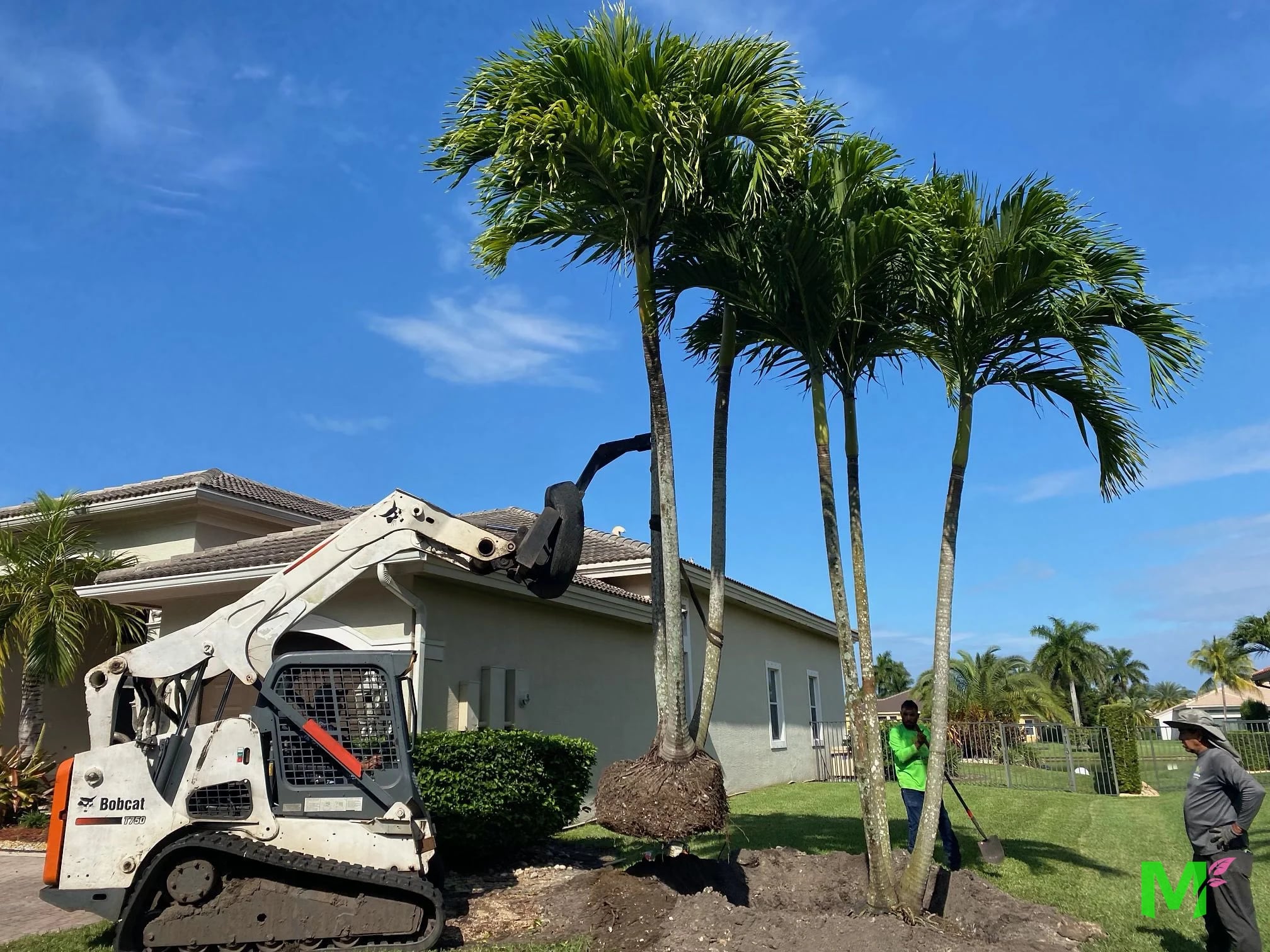 Palm Installation
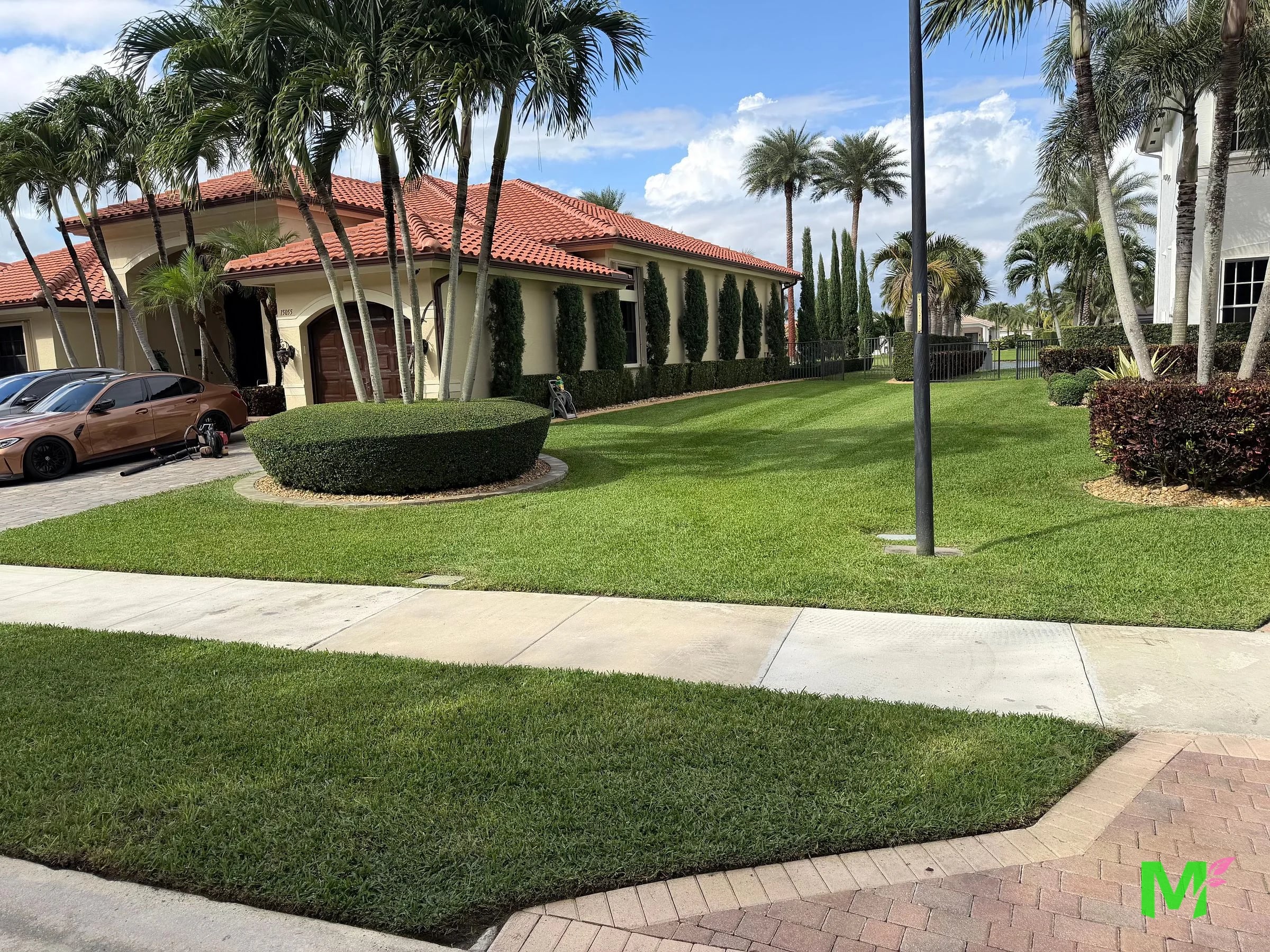 Estate Frontage
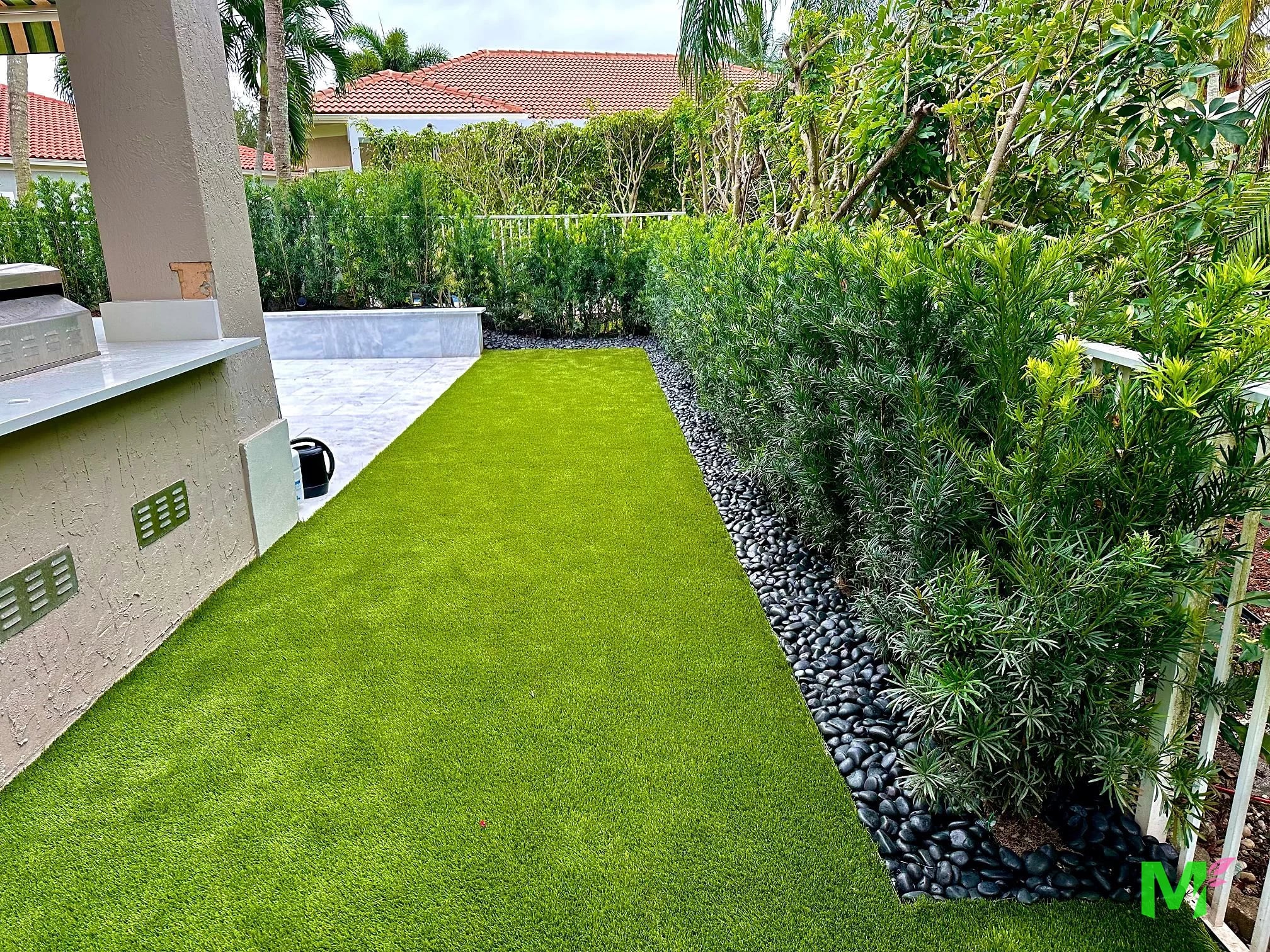 Privacy Hedge & River Rock
Why It Pays Off
Design That Adds Value.
A yard is the first thing a buyer, an appraiser or a neighbor sees. A design built for South Florida keeps looking that way, so the money goes into the property instead of into replacing plants every season.
Selling soon
Curb appeal before the listing photos. The front elevation is what buyers see first, online and from the street.
Start this designJust moved in
Make it yours. Replace what the last owner left with a plan for how you actually live outside.
Start this designBackyard living
Privacy hedges, palms and planting that frame the pool and patio, so the backyard feels like a room.
Start this designLow water, low upkeep
Rock gardens and drought-tolerant planting that hold their look with less water and less work.
Start this design
What We Design
Front yards and curb appeal
The elevation the house is judged by from the street: bed lines, layered planting and an entry that looks deliberate.
Backyards and privacy
Palms and hedges placed for screening, planting that frames the space, and beds sized for how you use the yard.
Rock gardens and xeriscape
River rock, lava rock and dry creek beds with bromeliads and drought-tolerant planting. Low water, high finish.
Tropical planting and palms
Layered by mature height, so beds look full in two seasons rather than overcrowded.
Pavers and stone borders
Paver drives, walkways and stone bed edges, set with the planting so the two agree.
Full-property redesigns
Larger properties installed in phases, with the front elevation first because it shows the most.
How It Works
From First Walk to Finished Yard
Walk the property
We see the yard with you and listen to how you want it to look and feel.
Design on paper
Plants, bed geometry, hardscape and drainage, revised until it is right.
Written scope and price
Line by line, so you know exactly what is being built.
Our crew installs it
Our own people and trucks, start to finish.
Care that protects it
New planting needs care its first seasons. We can keep it on schedule.
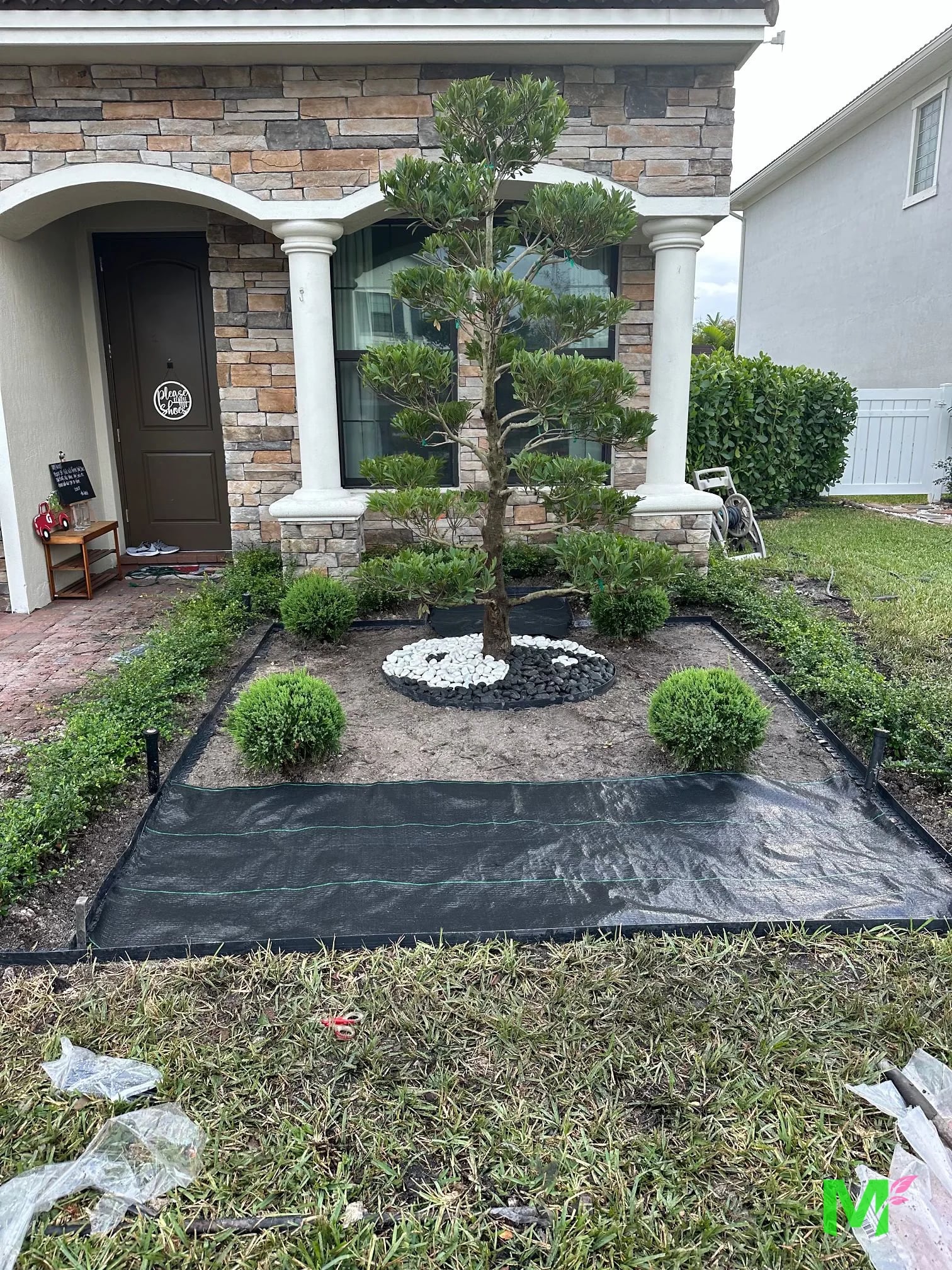
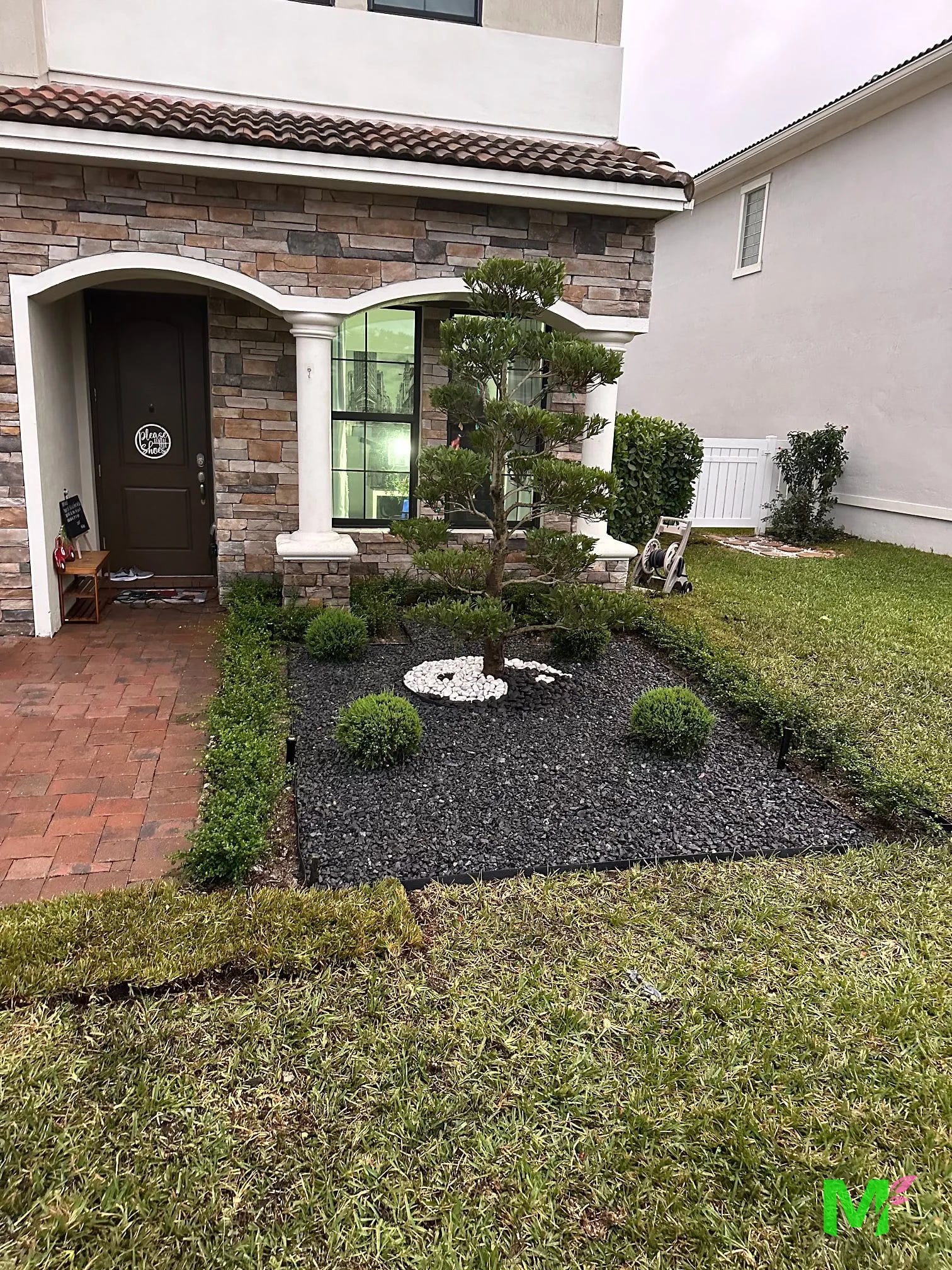
During & Finished
Install day, and the result.
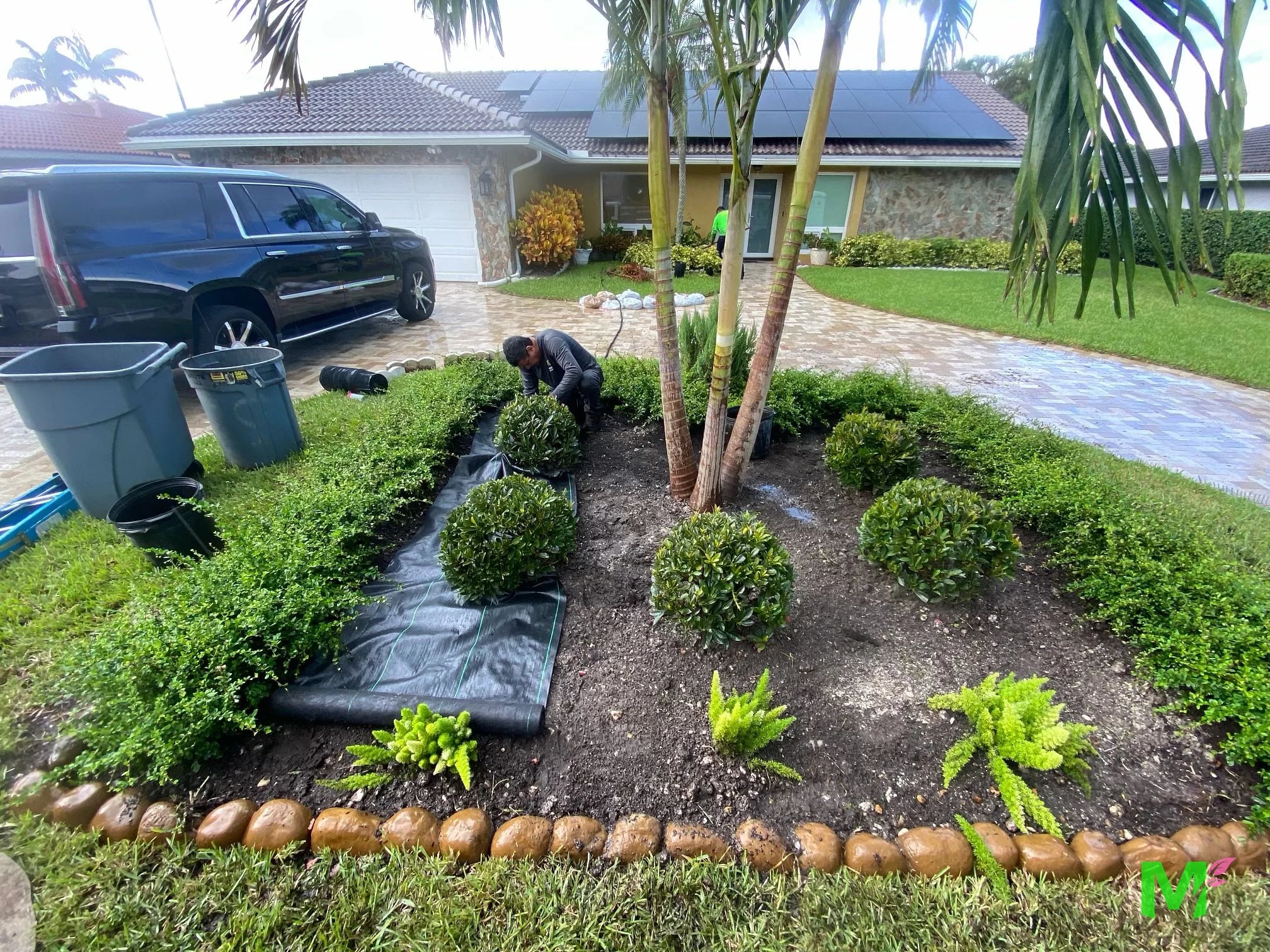
The same two front yards: fabric down and plants placed, then finished. Every bed is planned before the first plant goes in.
Designed to your budget.
Tell us the range you are working with and the design is built to it. Larger plans can be installed in phases, so the yard comes together over time without starting over.
Common Questions
- How does a design project start?
- With a walk of the property and a conversation about how you use the yard and how the house should look from the curb. The plan is drawn and revised on paper before anything is installed.
- What does a landscape design cost?
- It depends on the size of the area, the materials and the plants. After the walk you get a written scope and price. Share your budget range up front and the design is built to it.
- Can the project be done in phases?
- Yes. Larger landscapes are often installed in stages, with the front elevation first because it carries the most visible return.
- Do you work from an existing plan?
- Yes. Plans from architects, builders or designers are installed as drawn, with anything that conflicts with local growing conditions flagged before installation.
- What about irrigation for new beds?
- Montenegro does not do irrigation work. New beds are laid out around the coverage the existing system delivers, and any changes go to a licensed irrigation contractor.
- Will you maintain it afterward?
- Most design clients move onto a maintenance schedule. New planting is protected best by the people who installed it.